












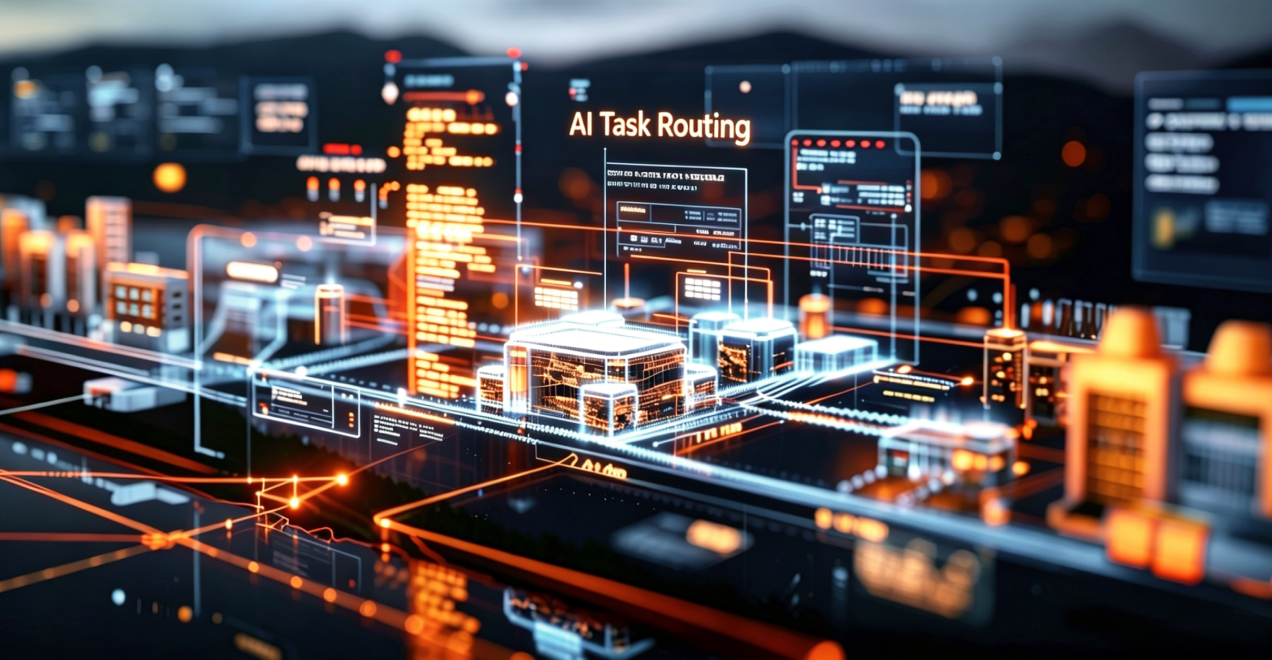
Built a global distributed compute fabric connecting 120+ edge devices across 15 regions,
delivering reliable AI workload routing with intelligent node scheduling and orchestration.
Project Details
The Global Compute Network is a distributed AI infrastructure fabric designed to connect Mac and NVIDIA devices into a unified compute platform. It enables secure device node registration, intelligent workload routing, and real-time orchestration across globally distributed edge environments and data center clusters.
The platform provisions devices through group keys, authenticates nodes, and schedules AI inference, rendering, and training workloads based on device capacity and policy constraints. Each node contributes verified compute cycles to the network, and device operators earn rewards proportional to their contribution.
By connecting idle and dedicated devices into a shared compute fabric, the network transforms fragmented hardware into a reliable, scalable AI infrastructure layer. The system supports Mac Studio, MacBook, and NVIDIA GPU devices, with SDK integration for third-party platforms and enterprise APIs for workload submission and monitoring.
Project Research
The Global Compute Network was designed to address a fundamental challenge: how to securely aggregate idle and dedicated Mac and NVIDIA devices into a reliable, production-grade AI compute fabric that spans geographic regions and organizational boundaries.
Our research focused on three core areas. First, node authentication and device identity — establishing a secure device registration flow using Group Keys that enables plug-and-play onboarding while maintaining enterprise-grade access control. Second, workload routing intelligence — developing scheduling algorithms that route AI tasks to the optimal node based on real-time capacity, device class, data locality, and latency requirements. Third, operational observability — building telemetry pipelines that provide real-time visibility into node health, workload status, and network performance.
The network was tested across diverse hardware profiles — Mac Studio clusters, MacBook fleets, and NVIDIA GPU nodes — to validate cross-platform compatibility, failover resilience, and predictable scheduling behavior under varied workload patterns including inference bursts and batch rendering jobs.
Project Results
The Global Compute Network deployment delivered measurable improvements in distributed AI infrastructure operations. Device provisioning time dropped from days to minutes with the Group Key onboarding flow, and node utilization increased by 35% through intelligent workload scheduling across the connected fleet. Real-time telemetry and monitoring dashboards allowed infrastructure teams to track node health, workload distribution, and scheduling performance across all active regions. Cross-platform compatibility was validated across Mac and NVIDIA device classes, with workloads routing seamlessly between device types based on capacity and task requirements. Failover handling maintained workload continuity during node disconnections, and the policy engine enforced security boundaries without introducing scheduling latency. Operator feedback highlighted the simplicity of device onboarding, the transparency of earnings tracking, and the reliability of workload distribution. Overall, the Global Compute Network established a production-ready, scalable AI infrastructure fabric that turns distributed devices into a unified, observable compute resource for enterprise AI operations.